Theology
7h ago
Aquila Report Examines Pornography as Idolatry and Covetousness
An Aquila Report piece analyzes pornography through a biblical framework, identifying it as a heart problem rooted in disordered desire, not merely behavior.
An Aquila Report piece analyzes pornography through a biblical framework, identifying it as a heart problem rooted in disordered desire, not merely behavior.

A First Things opinion piece contends that Donald Trump has fallen short of the pro-life movement's expectations, despite his 2016 campaign promises.
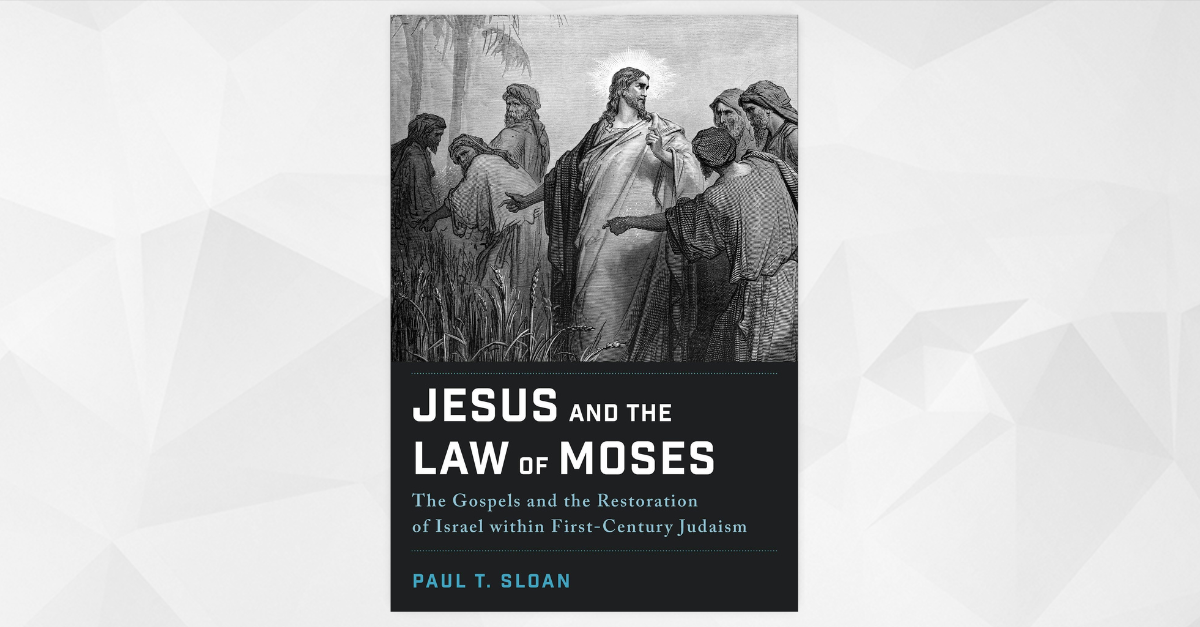
A 9Marks article addresses a foundational Reformed question: how the law of Moses applies to Christian life today, emphasizing Jesus' fulfillment of the law and the New Covenant as a distinct epoch.
An article teaches that the indwelling Spirit serves as both a present seal of salvation and a future pledge of glory, grounding believer assurance.

Douglas Wilson contends that proclaiming Christ's lordship—and thus Caesar's limits—is the Church's primary civic contribution, laying a foundation for repentance and proper order.

A field map of what is already operating in your ministry
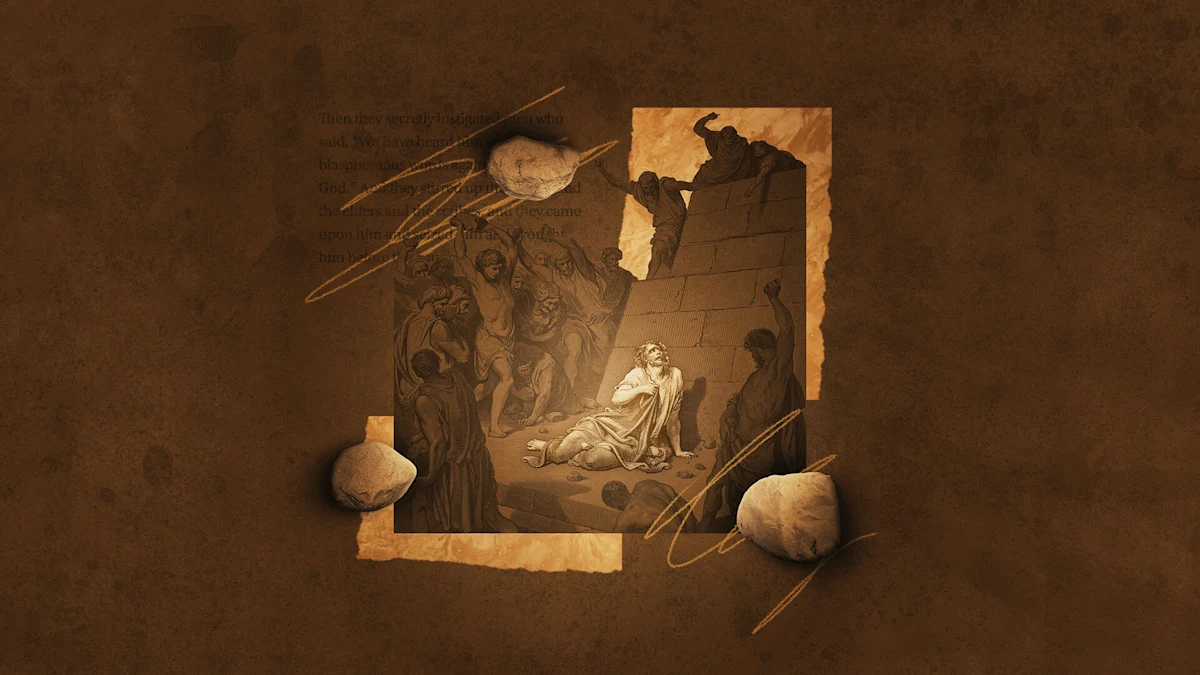
Ligonier explores Stephen's biblical significance, arguing that his martyrdom and the resulting persecution scattered believers and advanced the gospel beyond Jerusalem.
An Aquila Report piece argues that believers should sustain gospel focus throughout the Christian life, resisting drift into moralism or abstraction.
A reflection on discipleship argues that mentors must embody obedience and faith, not merely teach doctrine, so disciples see Christ lived out in practice.

Two pieces revisit Thomas Jefferson's role in American founding ideals, engaging Protestant political theology and Jefferson's articulation of Creator-endowed rights alongside his moral failures.
The Aquila Report publishes an introductory piece on unbelief as a defining feature of human nature and the human relationship with God.

The church is already inside the machine. Here is what I built to help it think.

Tim Challies addresses the pastoral reality that some children raised in Christian homes eventually walk away from Jesus, framing it as a trial parents may be called to bear.
The Aquila Report tackles common misconceptions that discourage readers from engaging John Calvin's Institutes of the Christian Religion.
The Christian Reformed Church faced internal conflict over biblical sexuality, culminating in a 2022 synod statement, following a Michigan congregation's ordination of a deacon in a same-sex marriage and the formation of the Abide Project.

A Crossway article examines pneumatology across Scripture's progressive revelation, noting the sparse Old Testament treatment of the Spirit compared to the New Testament's fuller disclosure.
An Aquila Report article explores human limitation and physicality, arguing that the Incarnation sanctifies flesh and calls believers to embrace their creaturely nature.
AI can process every word of Scripture. It cannot see the grief in your third row.
An Aquila Report essay emphasizes the creator-creature distinction and divine accommodation, stressing that systematic theology must be approached with humility given the infinite gap between God's knowledge and human understanding.
An Aquila Report article explores barriers to consistent Scripture engagement, identifying reasons Christians neglect personal Bible study despite its essential role in knowing God's will.
An Aquila Report article examines how Jesus's teaching authority differed from Jewish scribes, emphasizing that He spoke as the Word of God incarnate, not merely as a learned rabbi.

A First Things piece explores the Norwegian Nobel Prize-winning author Sigrid Undset, focusing on her spiritual convictions and literary significance.
An Aquila Report article draws on Puritan John Owen to warn against treating ongoing sin as manageable, emphasizing that sin must be actively put to death rather than merely contained.

How softened language obscures guilt, judgment, and the glory of the cross